A Life-Work Balance That Lives Well
Lakes. Orchards. Vineyards. Farm-fresh everything. Need we say more.
In the Shuswap, work-life balance is not an aspiration — it’s a practical advantage. Entrepreneurs gain back their most valuable resource: time. Short commutes, accessible services, and natural surroundings reduce friction in daily life, creating space for clearer thinking, and sustained enterprise performance. Here, balance supports ambition. Whether running a growing enterprise, scaling a remote operation, or building a lifestyle-driven venture, the environment enables entrepreneurs to work with intention rather than urgency. The result is a region where professional success and personal well-being reinforce one another.
What the Locals Appreciate Most
(Src: Shuswap Economic Development Survey, 2024)

Lake Life
There are three lakes in Columbia Shuswap Regional District Areas C, D, F, and G: 1) Shuswap (Areas C, F); 2) White (Area C – warm, popular for fishing and local recreation, motorized boats permitted); 3) Gardom (Area F, popular for fishing and local recreation, motorized boats not permitted).
Shuswap Lake is one of BCs largest lakes – 25 times larger than Okanagan Lake with four major “arms” (Salmon, Mara, Seymour, and Anstey).
- Sometimes called the lake of 1000 beaches.
- Surface area: 510 sq. km.
- Shoreline: 1000 km.
- Lake Temperature: July 21-23 °C, August 22-24 °C – warm enough for swimming, kayaking, paddleboarding, and floating without feeling chilly. Shallow bays warm faster and can reach 25 °C on hot sunny days.
- Does Shuswap Lake freeze over? No.
- Average depth approx. 62 metres. Maximum depth approx. 171 metres in Seymour Arm.
- Fish species: rainbow trout, lake trout, kokanee, and smallmouth bass.
Pastoral Shuswap
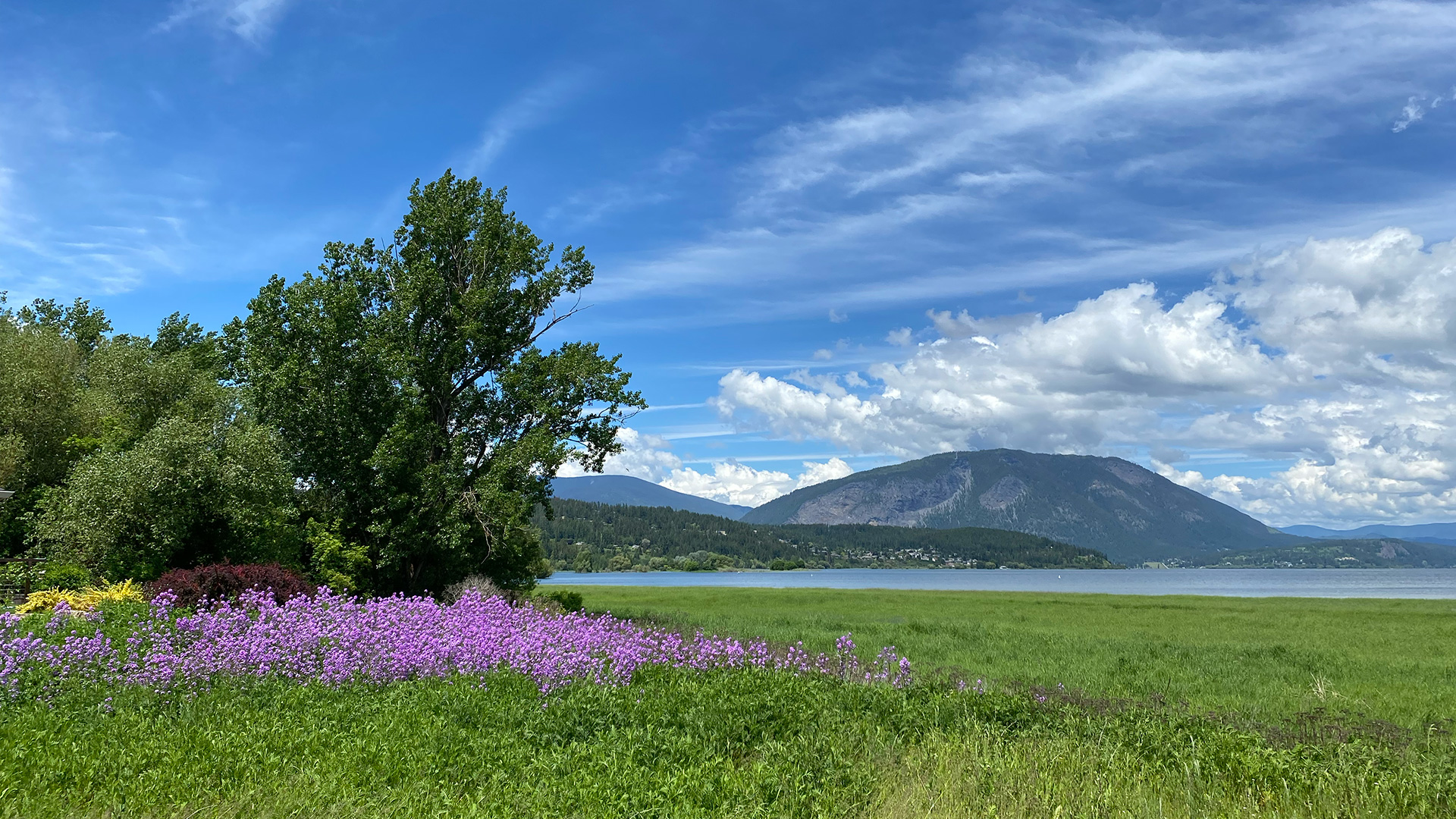
Pastoral settings shape the visual character and sense of place that define the rural Shuswap: green fields, grazing animals and open spaces framed by forests and mountains. Across these areas, gently rolling fields, pasturelands and working farms contribute to the region’s agricultural roots and food systems. This supports local food production (from cattle and poultry to specialty crops and wineries) and helps maintain a living landscape rather than purely built environments. Agriculture provides economic opportunities and a stable land use that balances development with tradition.
How About That Weather?
(Src: Shuswap Economic Development Survey, 2024)